
KICKING THE CAN DOWN THE ROAD, NORTH ARLINGTON’S HOUSING DILEMMA!
Pronti, politics driving gentrification, random reassessments, traffic, density and the urbanization of No Arlington!
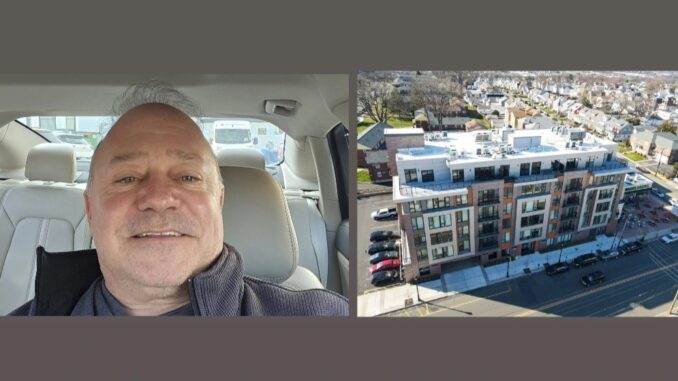
NORTH ARLINGTON – Is there an alternative to the scores of apartments currently being constructed along Ridge Road with little retail component, or the density that is becoming self-evident?
The real policy question for residents
How much density should be allowed and where?
Options include:
Concentrate apartments on one corridor (current approach)
Spread small-scale housing across town
Focus more on ownership housing
Prioritize commercial tax base growth
If taxes are still rising despite apartment construction, it usually means municipal costs—especially healthcare, pensions, salaries and wasteful spending —are growing faster than the new tax revenue. Redevelopment alone rarely solves this problem. 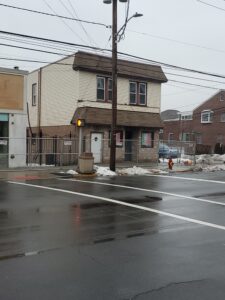

An example of wasteful spending is the proliferation of legal fees; out-of-court settlements and frivolous spending are obvious: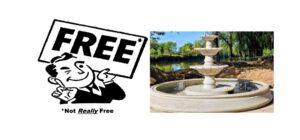
$238,000 on the installation of water fountain Mayor Pronti claims was “free.”
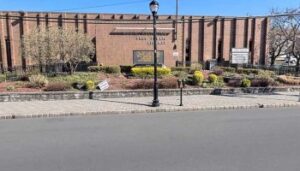 $200,000 on a mystery out-of-court settlement with a former library board employee accusing the borough of a hostile work environment. The Mayor refuses to comment.
$1,500,000 on the purchase of a River Road property described as an “emergency appropriation.” What was that emergency?
Some $500,000 in new legal costs and fees since January of 2024.
It explains why so many suburban towns suddenly look like they’re urbanizing.
And North Arlington is not in compliance with state housing mandates. They haven’t constructed a single affordable unit to date!
North Arlington has a long history of not actually producing affordable units, even while approving market-rate development.
That’s one of the reasons the situation feels contradictory to residents.
Current compliance reality
North Arlington has zero existing affordable housing credits from prior rounds of obligations.
Historically, the borough accumulated an obligation of about 212 affordable units for earlier rounds of the state program.
For the new 2025–2035 cycle, the borough is expected to plan for roughly 192 additional affordable units.
The town was also among a small fraction of NJ municipalities that had not reached agreements with housing advocates over their obligations under the state system.
The obligations come from the Mount Laurel Doctrine, which requires municipalities to provide a “realistic opportunity” for affordable housing.
Why apartments are still being approved
Even if no affordable units have been built, towns often approve market-rate apartments first for two reasons:
1. Developers finance affordable units with market-rate units
Typical formula in NJ projects:
80–85% market-rate units
15–20% affordable units
The market-rate units subsidize the affordable ones.
2. Towns sometimes delay compliance
Some municipalities historically delayed affordable housing construction, hoping:
state formulas would change
courts would reset obligations
development would occur slowly
But recent state law reforms are designed to force municipalities to submit real housing plans and resolve disputes faster.
Why residents feel frustrated
Residents see:
market-rate apartments
Higher property taxes
Diminishing small businesses, empty structures and dormant properties
The risk North Arlington is taking if they remain non-compliant:
If North Arlington fails to meet it’s obligations under the Mount Laurel system, courts can allow a “builder’s remedy.”
That means a developer can:
sue the town
get court permission to build much larger projects than zoning normally allows
include affordable units as part of the project
Ironically, this often produces even bigger apartment developments than the town originally wanted.
The real policy choice for towns like North Arlington
There are essentially three paths:
1. Controlled compliance
Plan affordable housing locally
Limit building height/size
Use mixed projects (townhouses, small buildings)
2. Delay and fight
Risk lawsuits
Risk large builder’s remedy projects
3. Concentrate density on corridors
Allow apartments mainly on roads like Ridge Road
Keep residential neighborhoods mostly unchanged